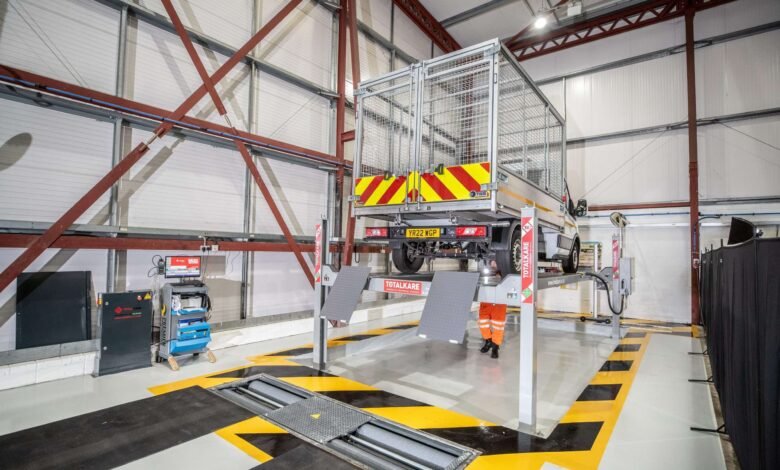
Setting up a professional MOT testing facility requires accurate planning, suitable equipment, and a clear understanding of the space needed for safe vehicle inspections. A Class 7 MOT bay is designed specifically for larger commercial vehicles and light goods vehicles, making it different from standard MOT bays used for smaller cars. The size and layout of the testing area directly affect efficiency, safety, and compliance with UK MOT regulations.


Understanding class 7 mot bay dimensions is essential for garage owners, workshop developers, and businesses planning to establish an approved MOT testing station. A correctly designed bay allows vehicles to enter easily, provides enough room for testing equipment, and ensures inspectors can complete checks without restrictions. Poor planning can lead to costly building changes, delays in approval, and operational difficulties.
Understanding Class 7 MOT Testing Bays
A Class 7 MOT bay is designed for testing larger vehicles with a gross weight typically between 3,000kg and 3,500kg. These vehicles require more space than ordinary passenger cars because of their increased size, weight, and inspection requirements. Vans, commercial vehicles, and certain transport vehicles commonly fall into this category and need a suitable testing environment.
When designing a testing station, the main focus should be creating a practical workspace rather than only meeting minimum measurements. The correct class 7 mot bay dimensions should provide enough room for vehicle positioning, equipment operation, and technician movement. A well-designed bay improves workflow and creates a safer environment for both MOT testers and customers.
DVSA Requirements for Class 7 MOT Bay Design
The Driver and Vehicle Standards Agency (DVSA) regulates MOT testing stations across the UK and sets standards that approved facilities must follow. These requirements ensure that testing areas are suitable for the vehicles being examined and that equipment can be used safely. Before opening a Class 7 MOT station, workshop owners must ensure their premises meet the required specifications.
A major part of approval involves checking the available space, vehicle access, and equipment installation areas. The bay must have enough width, length, and height clearance to accommodate larger vehicles. Following official guidance during the planning stage helps prevent expensive modifications and increases the chances of a smooth approval process.
Minimum Width and Length Requirements for a Class 7 MOT Bay
The width of a Class 7 MOT bay is one of the most important measurements because larger commercial vehicles need additional clearance during testing. A typical Class 7 testing area requires an overall width of approximately 4,200mm. This provides enough room for vehicles to be positioned correctly while allowing inspectors to move safely around the vehicle.
The length of the bay must also be carefully considered, especially when installing equipment such as brake testers, lifts, or inspection systems. The correct class 7 mot bay dimensions allow the complete testing process to be carried out without moving vehicles unnecessarily. A longer, well-planned testing area can also make daily operations smoother and more efficient.
Entrance and Exit Dimensions for Class 7 MOT Bays
Vehicle access is a critical part of any MOT bay design. Commercial vehicles are larger and taller than standard cars, so entrances must provide enough clearance for safe movement. A suitable entrance prevents damage to vehicles and buildings while allowing different types of vans and light commercial vehicles to enter comfortably.
For most Class 7 MOT facilities, entrance doors need to provide sufficient height and width clearance. Many installations require doors around 3,200mm high and 3,000mm wide, depending on the layout. Planning these measurements correctly ensures that the testing lane remains accessible and practical for everyday vehicle inspections.
Headroom Requirements and Workshop Height Planning
Ceiling height is another important factor when preparing a Class 7 MOT testing area. Workshops using vehicle lifts need additional vertical space to operate safely, especially when vehicles are raised during inspections. If the building has limited headroom, certain equipment options may not be suitable.
When reviewing class 7 mot bay dimensions, workshop owners should consider both current and future requirements. Choosing a building with suitable height clearance allows greater flexibility when upgrading equipment or expanding services. Proper height planning also reduces installation problems and helps create a more professional testing environment.
Inspection Pit Requirements for Class 7 MOT Testing
Some Class 7 MOT stations use inspection pits instead of vehicle lifts. Pits can provide convenient access to the underside of larger vehicles and are commonly used in commercial vehicle workshops. However, they must be designed carefully to ensure safety, accessibility, and compliance with workplace requirements.
A suitable inspection pit should include enough working length, correct width, and appropriate depth for safe inspections. Additional features such as lighting, ventilation, drainage, and secure access points are also important. A properly constructed pit allows testers to perform detailed inspections while maintaining a safe and organised workspace.
Planning the Layout of a Class 7 MOT Bay
A successful MOT bay layout requires more than simply measuring the available floor area. The position of equipment, vehicle movement routes, and technician working areas all influence how effectively the facility operates. A well-planned layout reduces wasted space and improves the overall testing process.
When creating a layout based on class 7 mot bay dimensions, businesses should consider the placement of brake testers, lifts, headlamp testers, and inspection equipment. Each item should be positioned to allow easy access and prevent unnecessary movement. Good organisation helps testers complete inspections faster while maintaining safety standards.
Class 7 MOT Bay Dimensions PDF and Planning Resources
Many workshop owners search for a class 7 mot bay dimensions pdf when preparing plans for a new MOT testing facility. These documents can be useful because they often include example layouts, measurement guides, and equipment positioning information. They help businesses understand how much space may be required before beginning construction work.
A useful dimension drawing should include important details such as bay width, vehicle access points, testing equipment locations, and safety clearances. While planning documents are helpful, they should always be compared with current DVSA requirements to ensure the final design remains suitable for approval.
VOSA Class 7 MOT Bay Dimensions Explained
The term vosa class 7 mot bay dimensions is still commonly searched online because VOSA was previously responsible for MOT standards in the UK. However, VOSA was replaced by DVSA, which now manages MOT testing regulations and approval processes.
Although older information may still mention VOSA, businesses creating a new MOT testing station should always follow current DVSA guidance. Using outdated measurements or documents could result in incorrect planning and unnecessary changes during the approval process.
Common Mistakes When Designing a Class 7 MOT Bay
One of the most common mistakes is focusing only on minimum measurements without considering practical daily use. A bay may technically meet basic requirements but still become difficult to operate if there is limited space for equipment, vehicle movement, or technician access.
Another mistake is failing to plan for future growth. Garage owners should consider possible equipment upgrades, increased customer demand, and different vehicle types. Investing in a well-designed MOT bay from the beginning can provide better long-term value and prevent expensive alterations later.
Conclusion
Designing a compliant MOT testing facility requires careful consideration of measurements, equipment, access, and workplace safety. Correct class 7 mot bay dimensions ensure that larger vehicles can be tested efficiently while giving inspectors enough space to work safely and effectively.
Whether you are building a new MOT station or converting an existing workshop, accurate planning is essential. Understanding DVSA requirements, using reliable planning resources, and creating a practical layout will help you develop a professional Class 7 MOT bay that supports successful long-term operation.