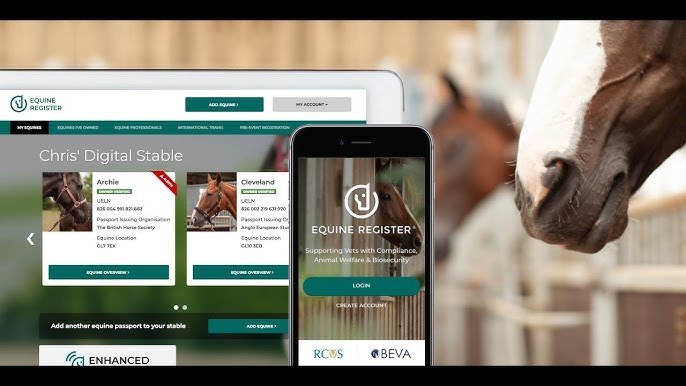
The central equine database is an essential part of the United Kingdom’s modern equine identification system, designed to keep accurate and reliable records of horses, ponies, donkeys, and other equines. The system provides a central location for important information, including identification details, passport records, microchip data, and ownership information. By bringing together records from different approved organisations, it helps create a clearer and more effective way to manage equine information.


For horse owners, breeders, keepers, and professionals working in the equine sector, understanding the purpose of this database is extremely important. Accurate records help protect animal welfare, improve traceability, and support legal responsibilities. The database has become a valuable tool for ensuring that every registered equine can be properly identified throughout its lifetime while supporting a safer and more organised horse industry across the UK.
What Is the Central Equine Database (CED)?
The central equine database (CED) is the national system used to store and manage information about equines in the UK. It connects records from approved Passport Issuing Organisations and creates a single source of information for registered horses. The database contains essential details that help identify individual animals, including their Unique Equine Life Number, microchip information, passport details, and other registration records.
The purpose of the CED is to improve the accuracy and availability of equine information. Before the introduction of a central system, horse records were often managed separately by different organisations, which could create difficulties when information needed to be checked or updated. The introduction of a connected database helped create a more efficient approach to horse identification and record management.
The central equine database also plays an important role in supporting animal welfare and public safety. By maintaining accurate information about equines, authorities and authorised organisations can better understand horse ownership, movement, and identification. This helps prevent problems caused by missing records, incorrect information, or unclear ownership history.
Why Was the Central Equine Database Introduced?
The creation of the central equine database was based on the need for a more reliable and organised system for managing horse information in the UK. Previously, records were held across multiple organisations, making it more difficult to access consistent information. A national database provided a practical solution by connecting these records into one secure system.
The database was introduced in 2016 as part of efforts to improve equine traceability and strengthen identification procedures. The central equine database 2016 development represented an important change for horse owners and organisations because it created a more modern way to manage equine details. The system supported better communication between registration bodies, government authorities, and other approved users.
Another important reason for creating the database was protecting the human food chain. Certain regulations require accurate identification of equines to ensure that animals entering the food supply chain can be properly monitored. By maintaining detailed records, the database helps support compliance with national requirements and improves confidence in equine management practices.
How Does the UK Central Equine Database Work?
The UK central equine database works by collecting and organising information provided by approved equine registration organisations. When a horse is registered, relevant details are submitted and linked to that animal’s record. This creates a digital profile that can include identification information, passport details, and microchip records.
The system does not replace horse passports but works alongside them. A passport remains an important legal document for an equine, while the database provides a central record that helps confirm identification details. This connection between passports and digital records creates a stronger system for managing horse information throughout the animal’s lifetime.
The central equine database also improves communication between different parts of the equine industry. Veterinary professionals, welfare organisations, and authorised authorities can use accurate records when appropriate. This makes it easier to confirm information, support welfare activities, and respond effectively when identification details are required.
Information Stored in the Central Equine Database Register
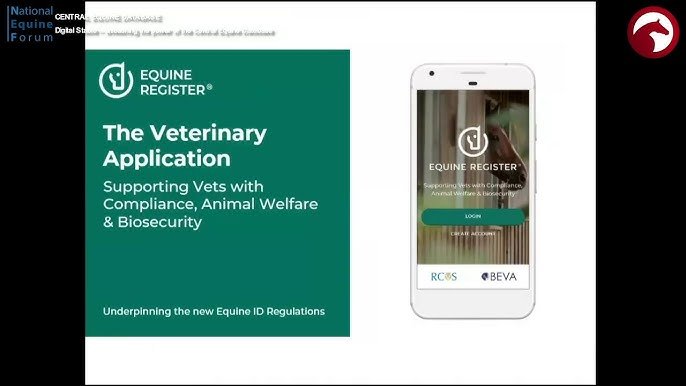
The central equine database register contains a wide range of information designed to identify and manage individual equines. Important details may include the horse’s name, breed, colour, sex, date of birth, passport number, Unique Equine Life Number, and microchip information. These details help create a complete identification profile for each registered animal.
Ownership and keeper information are also important elements of the register. When a horse changes ownership or keeper details change, updating records helps maintain accuracy. Reliable ownership information can be particularly valuable in situations involving welfare concerns, lost horses, disputes, or official checks.
Keeping the central equine database register accurate depends on responsible record management. Horse owners should ensure that information linked to their animals is correct and updated whenever changes occur. Regular record checks can reduce problems and help maintain a trustworthy national system.
Horse Passports and Their Relationship With the CED
Horse passports are a fundamental part of equine identification in the UK, and they work closely with the database system. Every horse owner has a responsibility to ensure their animal has the correct documentation. The passport provides important identification information and helps confirm the horse’s legal status.
The details recorded in a passport should match the information held within connected systems. If there are differences between records, owners may need to contact the relevant organisation responsible for managing their horse’s information. Keeping documents accurate helps avoid delays and confusion when identification checks are required.
A properly maintained passport also supports the wider goals of the central equine database. Together, passports and digital records create a more complete picture of each horse’s identity. This helps improve traceability and ensures that important information remains available when needed.
Registering and Updating Horse Information
Registering a horse involves ensuring that the animal has appropriate identification documents and that correct information is submitted through recognised organisations. The registration process usually involves obtaining a passport, recording microchip details, and ensuring that the horse’s identifying information is accurate.
Updating information after registration is equally important. Changes such as ownership transfers, keeper details, changes in status, or incorrect information should be reported through the appropriate channels. Failing to update records can create difficulties if the horse’s identity needs to be confirmed in the future.
The central equine database depends on accurate information from owners and organisations. Every updated record contributes to a more reliable national system. Responsible record keeping supports animal welfare, improves transparency, and helps ensure that the UK equine industry continues to operate effectively.
Benefits of the Central Equine Database for Horse Owners
The central equine database offers many advantages for horse owners by providing a more structured approach to managing equine information. Having accurate digital records makes it easier to confirm a horse’s identity, maintain ownership details, and keep important information organised. This can provide greater confidence for owners throughout their horse’s life.
The database also benefits the wider equine community. Breeders, veterinary professionals, welfare groups, and organisations involved with horses can rely on improved information management. A strong identification system supports better decision-making and helps create a safer environment for both horses and people.
By improving record accuracy, the database reduces the risks associated with missing or outdated information. It supports responsible ownership and encourages better practices across the industry. Accurate information is one of the most valuable tools for protecting equines and improving welfare standards.
Common Problems and How to Manage Them
Some horse owners may experience issues when checking or updating their equine records. Common problems can include incorrect details, missing information, outdated ownership records, or difficulties matching microchip information. These issues can often occur when records have not been updated after important changes.
When problems appear, owners should review their documents and contact the appropriate organisation responsible for their horse’s registration. Providing correct supporting information can help resolve issues more efficiently. Regular checks of passport and registration details can also prevent future complications.
Maintaining accurate records is a simple but important responsibility. The effectiveness of the central equine database depends on information being correct and current. Owners who actively manage their horse’s details contribute to a stronger and more reliable national identification system.
Conclusion
The central equine database has transformed the way horse information is managed in the United Kingdom. By creating a connected system for identification, passports, ownership details, and registration information, it supports better traceability and improves protection for horses across the country.
For horse owners, understanding the importance of accurate records is essential. Keeping passport details updated, maintaining correct ownership information, and ensuring registration details are accurate all contribute to a more effective system. The database continues to play a vital role in supporting animal welfare, responsible ownership, and the future of the UK equine industry.